Day 0
Inquiry
Send the specification, quantity, destination port, and preferred Incoterm to contact@haoshengfa.com, or use the form. We reply with availability, a sample path, and a price validity.
Process
Dates below are working defaults, not promises against every factory calendar. The contract states the shipment window. Electronics and textiles use the same spine; only the inspection method changes.
Day 0
Send the specification, quantity, destination port, and preferred Incoterm to contact@haoshengfa.com, or use the form. We reply with availability, a sample path, and a price validity.
Sample
Electronics: a working unit and accessory kit. Fabrics: hand-feel sample and shade card. Bulk does not start until the sample is accepted in writing. Silent “go ahead” messages are not acceptance.
Contract
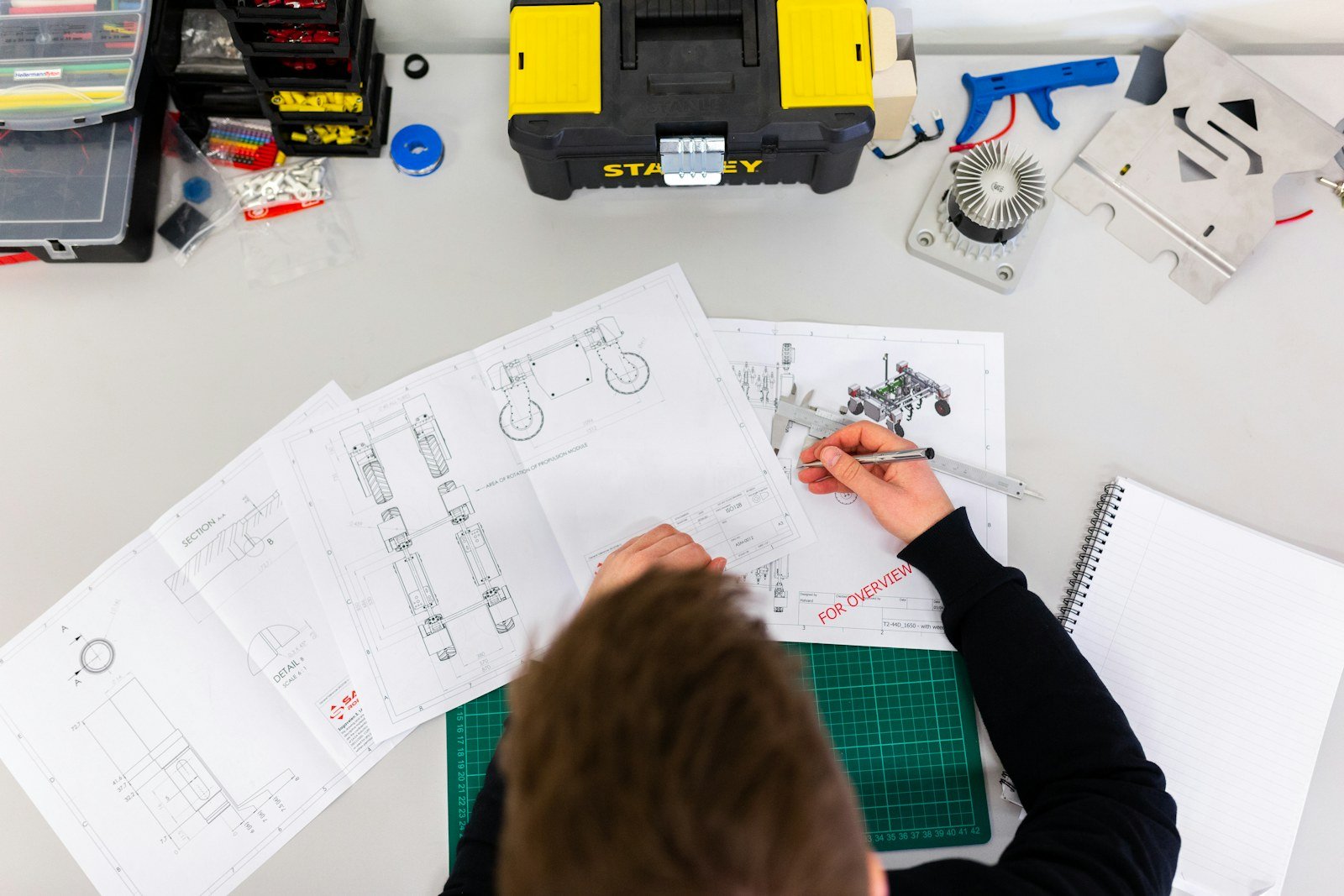
Goods, HS codes, unit prices, and the Incoterm go into a bilingual sale contract. A deposit books the production slot. The balance follows the agreed instrument — typically against copy documents or at sight, as the contract says.
Production
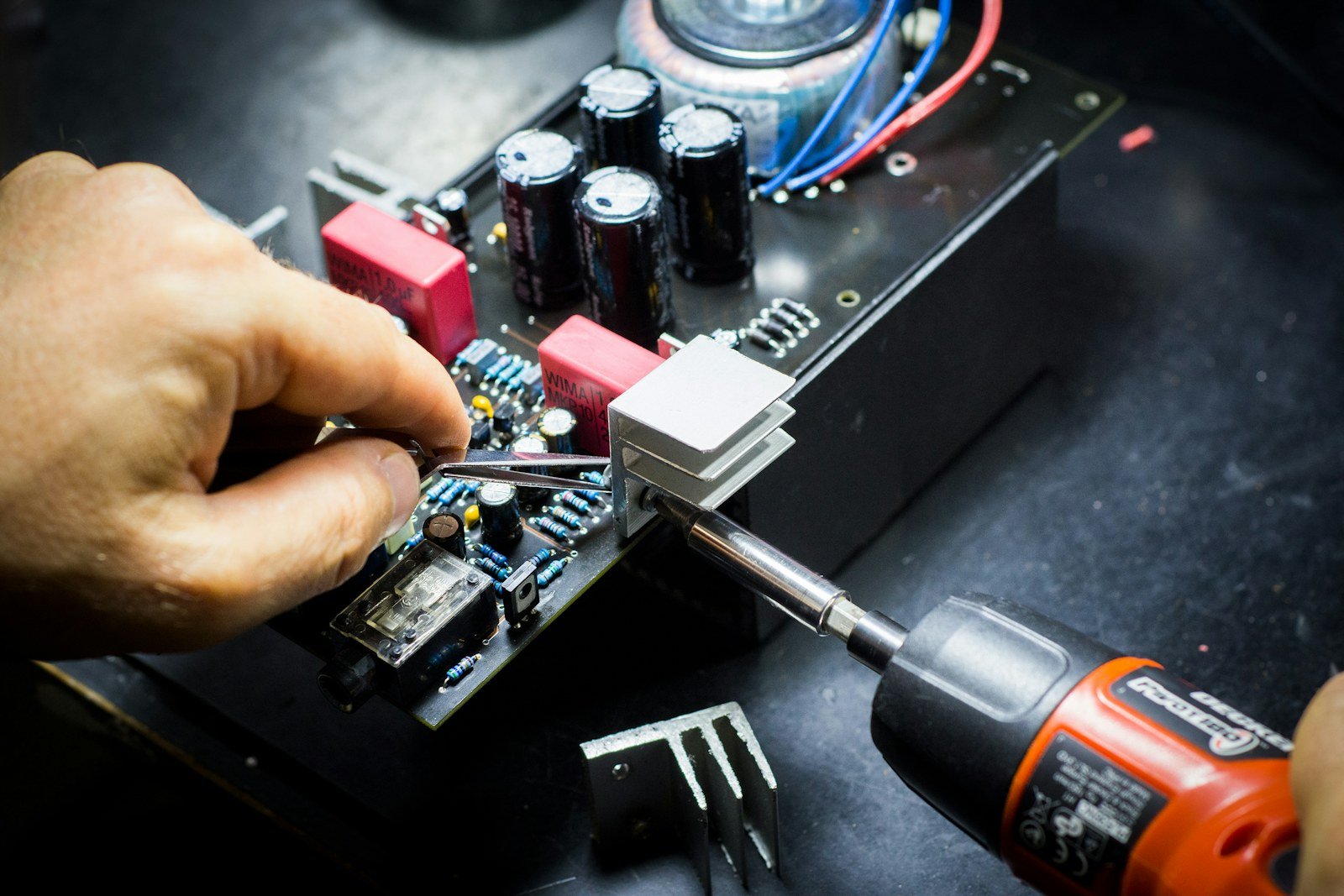
The factory runs against the signed sample. We keep the lot number. Mid-run photographs or a second inspection can be written in for larger electronics lots.
Before sailing
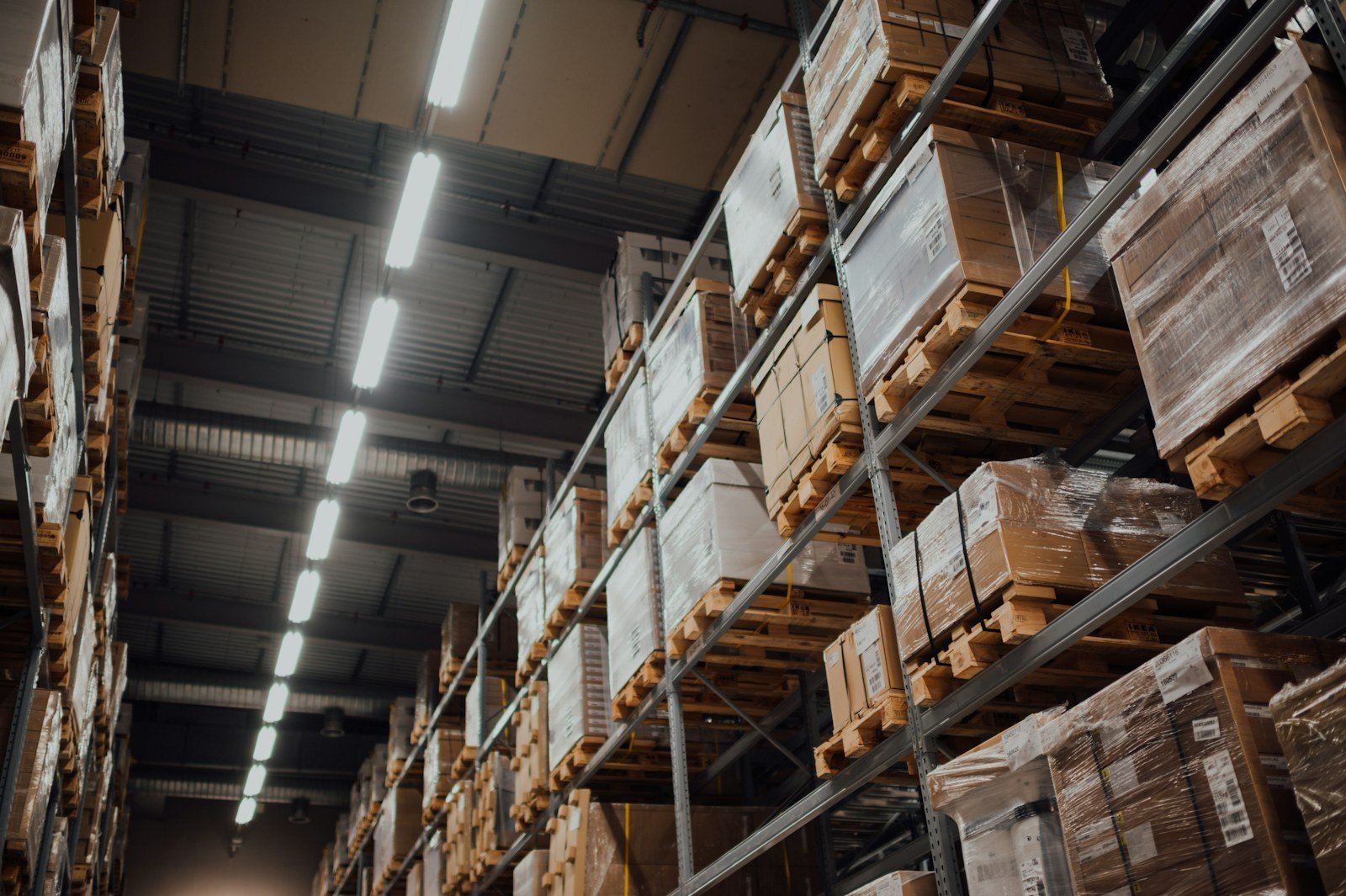
Failing goods stay on the floor. Passing goods are packed to the confirmed method, marked, and listed. Commercial invoice, packing list, and origin certificate are prepared from the same schedule.
On the water
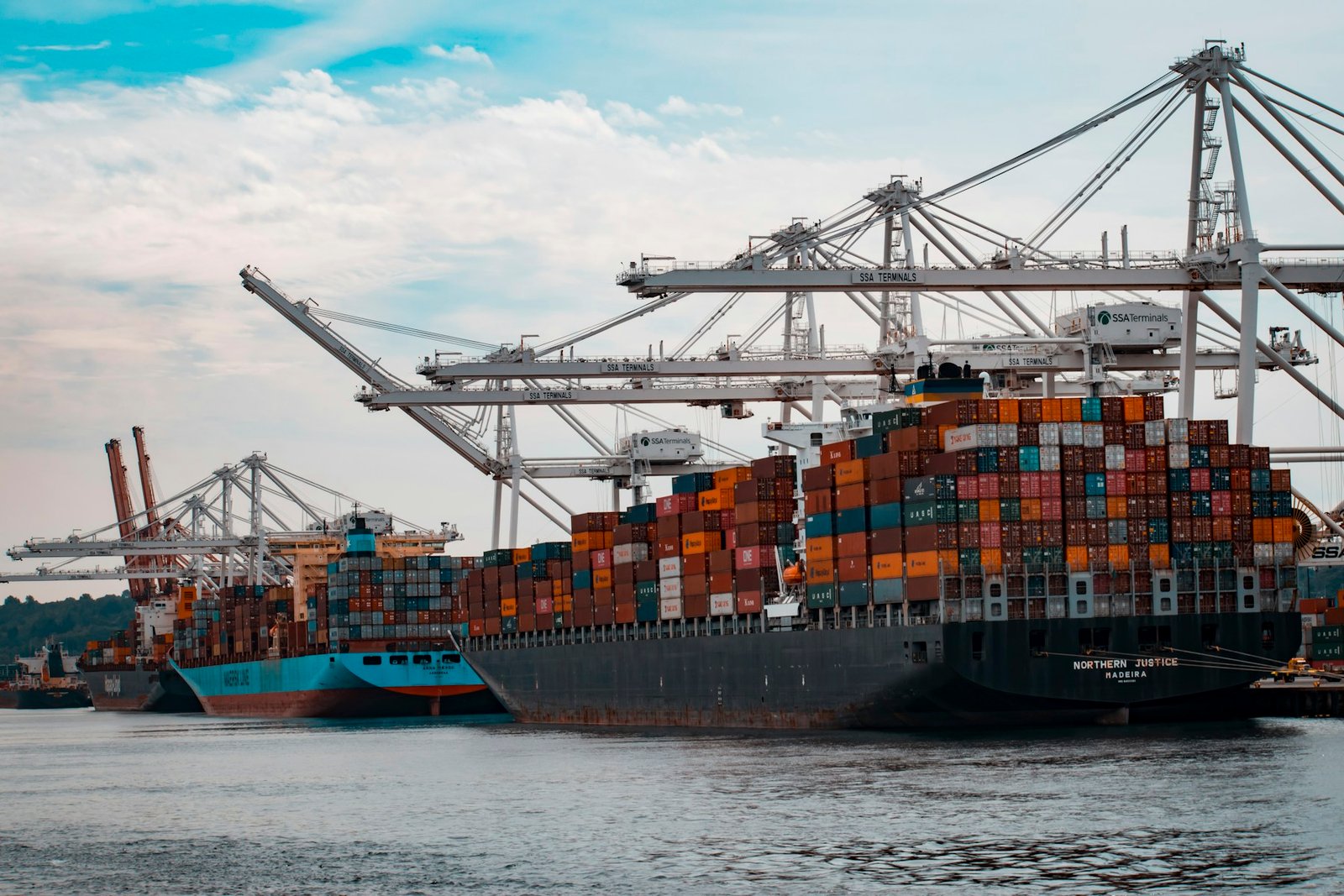
Cargo moves on the named term. Under CIF the seller books freight and insurance to the named port. Copy documents go out when the vessel sails; originals follow the contract. After discharge, the electronics warranty or fabric warranty in the contract begins to run.